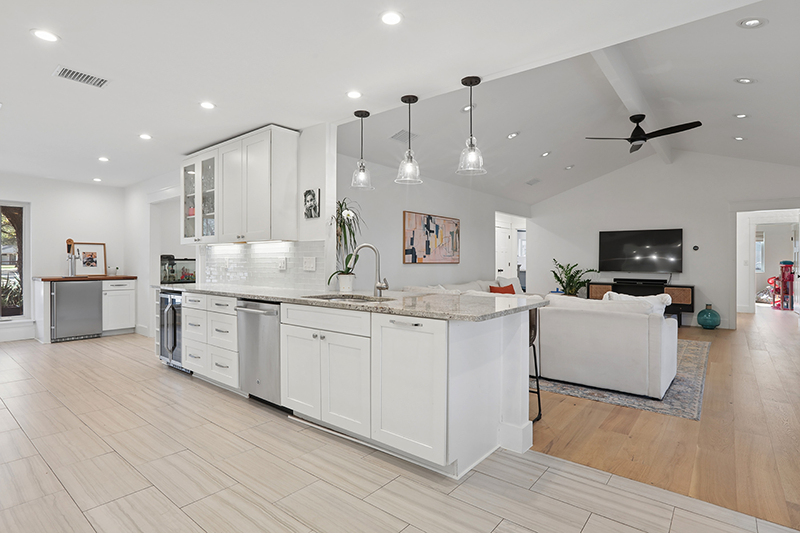
When it comes to real estate photography, no element is more powerful or more misunderstood than light. It is easy to think that a wide-angle lens or a high-end camera is what makes a listing stand out. In reality, it is light that defines the mood, reveals the space, and ultimately sells the home.
Light Shapes First Impressions
The first thing a potential buyer feels when they see a photo is not the square footage or the layout. It is the atmosphere. Light is what creates that emotional response. Bright, natural light makes a home feel open, clean, and inviting. Dim or poorly balanced lighting can make even a beautiful property feel cramped or unappealing.
In online listings, where buyers scroll quickly, lighting can be the difference between someone clicking for more details or moving on.
Natural Light: Your Best Asset
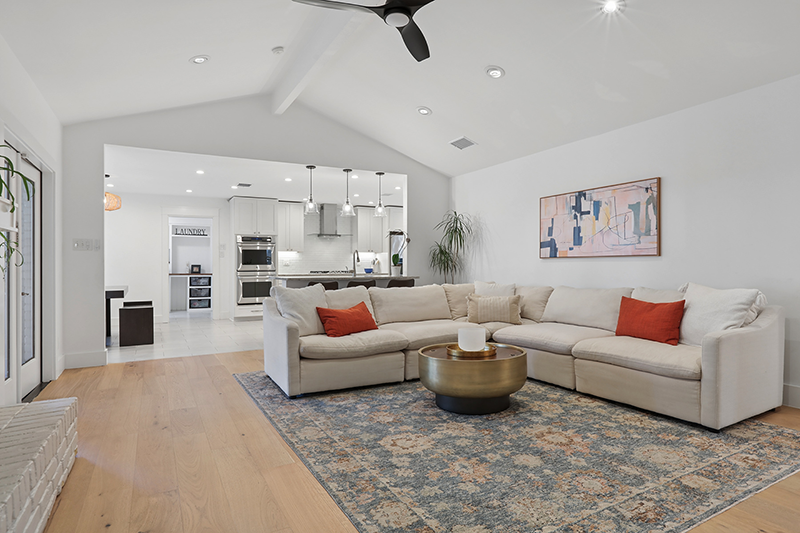
Natural light is the gold standard in real estate photography. It brings out true colors, softens textures, and creates a sense of authenticity. Rooms photographed with good natural light feel more spacious and livable.
Timing is crucial. Shooting during the “golden hours,” shortly after sunrise or before sunset, can add warmth and dimension. Midday light, while bright, can be harsh and create strong shadows if not managed properly.
The key is to work with the light, not against it:
- Open curtains and blinds to let light in
- Turn off unnecessary artificial lighting to avoid color conflicts
- Position the camera to maximize the flow of light through the space
Balancing Interior and Exterior Light
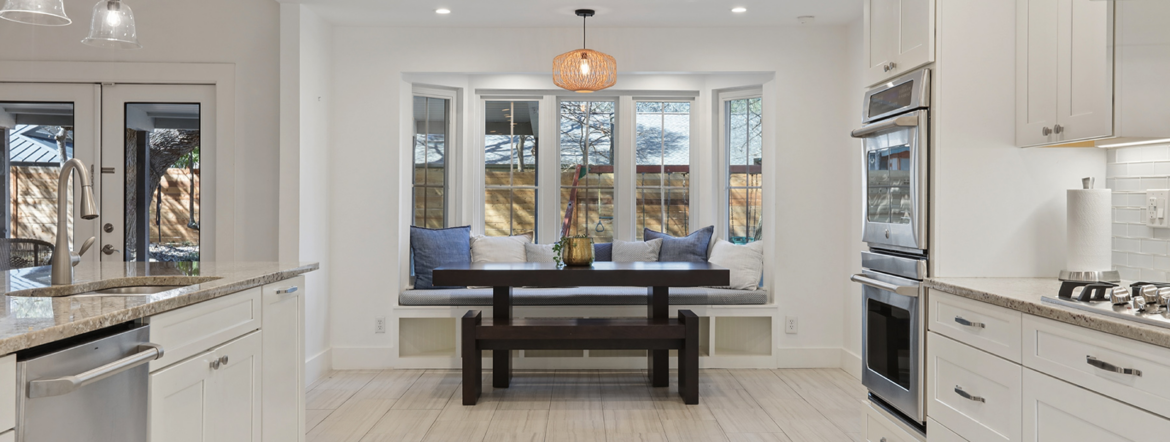
One of the biggest challenges in real estate photography is balancing the light inside a room with what is visible through the windows. Without proper technique, windows either appear blown out or interiors look too dark.
Good photographers use techniques like exposure blending or HDR (High Dynamic Range) to maintain detail in both areas. The result is a natural-looking image where the outside view complements the interior rather than distracting from it.
Artificial Light: Supporting, Not Dominating
Artificial lighting has its place, but it should enhance, not overpower, the scene. Mixed lighting sources, such as tungsten bulbs and daylight, can create odd color casts if not handled carefully.
A thoughtful approach includes:
- Using consistent light temperatures
- Avoiding overly bright or direct flashes
- Adding light only where necessary to fill shadows
Done well, artificial light is invisible. It simply makes the space look its best.
Light Reveals Space and Detail
Light is not just about brightness. It is about direction and quality. Side lighting can highlight textures like wood grain or stone countertops. Soft, diffused light can make a bedroom feel calm and restful. Strategic lighting can even make small rooms appear larger by reducing harsh shadows and emphasizing depth.
Every surface, corner, and feature of a home is interpreted through light.
The Emotional Connection
Buyers are not just purchasing a property. They are imagining a life. Light plays a huge role in that vision. A sunlit living room suggests comfort and relaxation. A well-lit kitchen feels energetic and functional. A softly lit bedroom feels peaceful and private.
These subtle cues influence how people feel about a space long before they ever step inside.
Final Thoughts
Great real estate photography is not about expensive gear or complicated editing. It is about understanding light. When used thoughtfully, light transforms a simple image into a compelling story about a home.
If you want your listings to stand out, pay attention to the light, shape it, and let it do what it does best: make spaces feel alive.